
What Africa’s Coffee Producers Can Learn from Uganda’s Rise
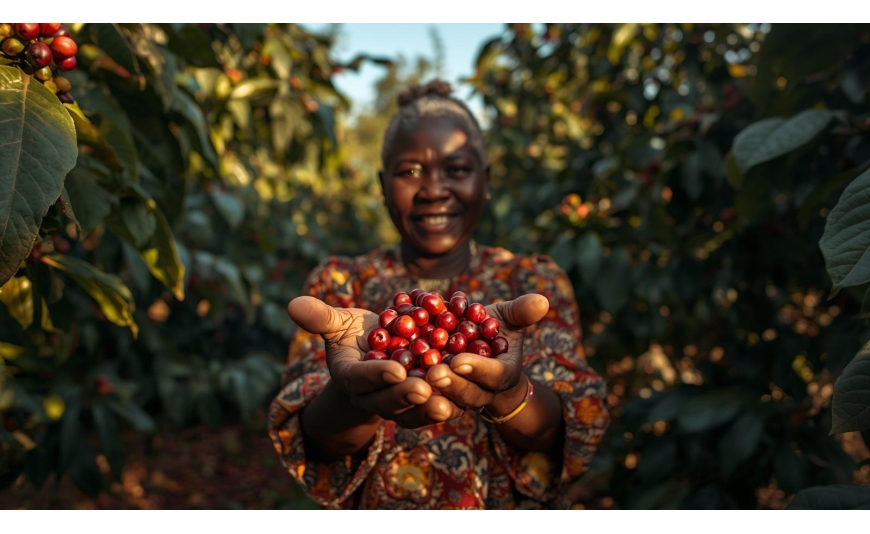
When most people think of African coffee, Ethiopia is usually the first name that comes to mind — the birthplace of Arabica. But over the past decade, another nation has been quietly reshaping Africa’s coffee story: Uganda.
Today, Uganda is not only the continent’s leading exporter of Robusta but has also built a reputation for producing remarkable specialty Arabica. Its progress holds valuable lessons for other coffee-growing countries across Africa.
So, what is Uganda doing differently — and what can the rest of the continent learn from it?
1. Farmers at the Center
Uganda’s rise is rooted in empowering smallholder farmers. Training programs, farmer cooperatives, and better access to finance have allowed growers to treat coffee as a real business, not just a crop.
Other African producers can take note:
-
Build strong and inclusive cooperatives.
-
Offer training in modern farming and post-harvest practices.
-
Create access to affordable inputs and financial support.
When farmers feel ownership and see value, the entire supply chain benefits.
2. Beyond Robusta
Although Robusta has long been Uganda’s strength, investment in Arabica regions like Mount Elgon has paid off. The world’s growing thirst for specialty coffee is an opportunity waiting for other producers too — from Côte d’Ivoire to the DRC.
Exploring new varieties, experimenting with micro-lots, and focusing on terroir-driven branding can unlock niche markets and higher premiums.
3. Government that Backs Coffee
Uganda’s Coffee Development Authority has helped make coffee a national economic priority. With clear targets, research support, and market promotion, the sector has grown with intention.
Elsewhere in Africa, governments can play a stronger role by:
-
Supporting innovation and sustainability.
-
Reducing red tape for exporters.
-
Positioning coffee as a strategic crop.
4. Storytelling and Branding
Uganda has worked to tell its story — not just about the bean, but about people, heritage, and resilience. Specialty buyers aren’t only looking for coffee; they want to connect with the story behind it.
For other producers, this means:
-
Building brands that highlight origin and identity.
-
Hosting barista competitions and coffee festivals.
-
Using digital platforms to speak directly to roasters and consumers.
5. Innovation in Processing
Processing is where value can skyrocket. Uganda has experimented with washed Arabica, honey-processed Robusta, and natural methods that give their coffee distinct character.
Other producers can add value by embracing:
-
Natural processing for fruit-forward profiles.
-
Climate-smart and carbon-neutral methods.
-
Traceability systems to meet the demands of today’s conscious consumers.
A Rising Tide for African Coffee
Uganda’s growth doesn’t need to be a competition — it’s an inspiration. Africa produces some of the most extraordinary coffees in the world, yet too often sells them as mere commodities.
By empowering farmers, embracing innovation, and telling authentic stories, African producers can shift from being bulk suppliers to global leaders in specialty coffee culture.
Whether you’re a coffee lover, roaster, or café owner, make a point to explore and support African coffees beyond the well-known names. Every cup helps farmers, communities, and the future of African coffee rise together.





0 Comments